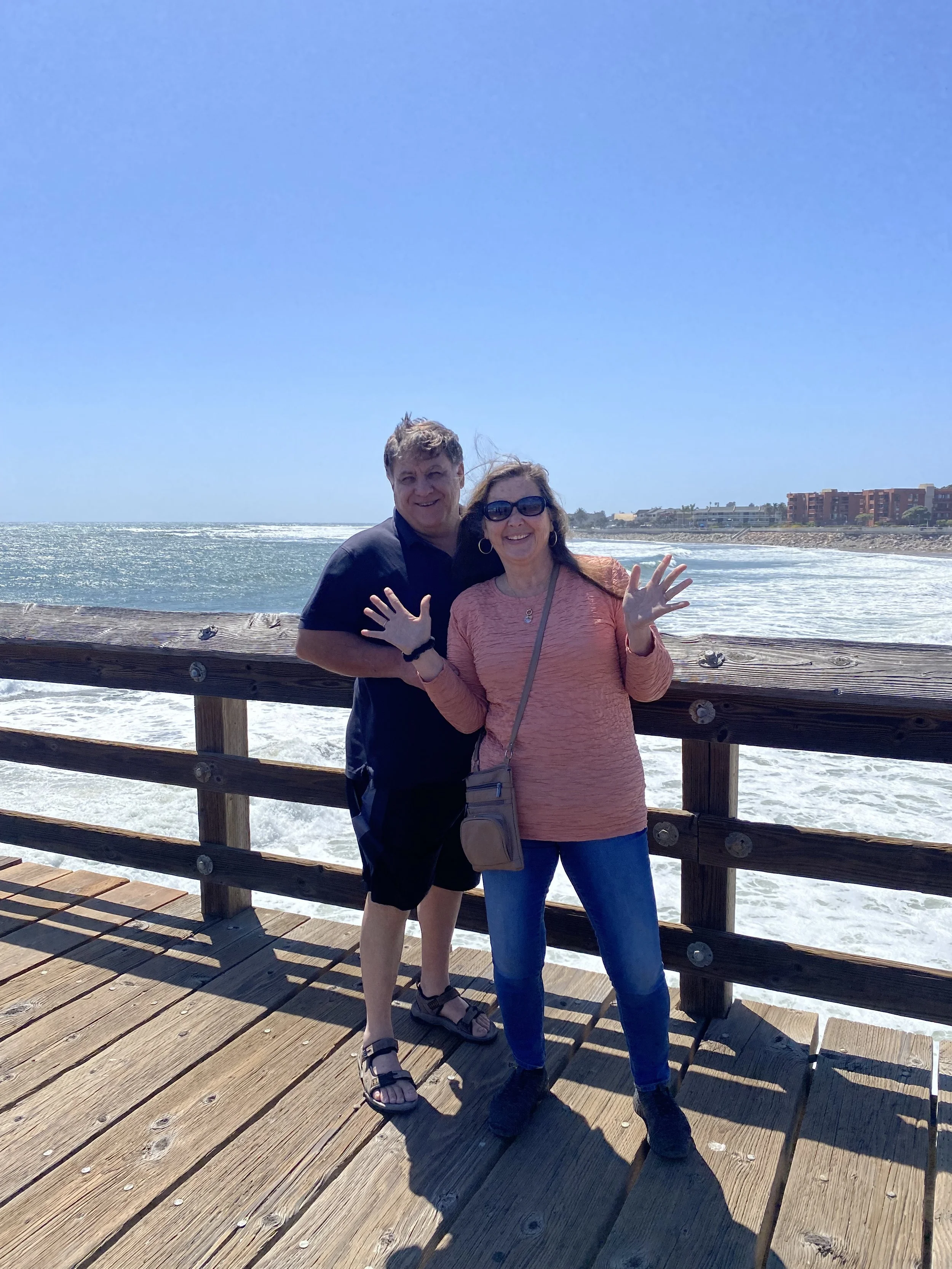
Bob and Ardi Zeider
R.L. Zeider, Inc. started out humbly as a sole proprietorship. Bob Zeider’s uncle owned and operated Midway Stamping and Die Works in Santa Monica, CA. After high school, in 1947, Bob started working for his uncle and eventually became interested in hand engraving. He attended a hand engraving class at Santa Monica College where he learned the rudiments of engraving.
In 1950, after marrying the love of his life, Ardi, his California National Guard unit was activated for the Korean War. He spent the next two years in Japan and later Korea. Upon returning home, he honed his engraving skills by engraving belt buckles, cuff links, tie tacs, and a wide assortment of jewelry made from gold and silver.
By 1960, he left Midway Stamping and started his own engraving company, which ultimately became R.L. Zeider, Inc. By 1963, he had purchased his first pantograph and cutter grinder made by Deckel. Outside of the one hand engraving class, he was largely self-taught. He mastered the pantograph and expanded his work to include steel coining dies for jewelry manufacturers and companies such as Schlage.
Early Manufacturing Growth
In the mid-1960s, Bob began engraving golf club masters for Bob McClellan, a local mold maker who perfected an investment casting process for early cast golf clubs. McClellan became hugely successful, and by the mid-1970s, Bob Zeider was engraving approximately 75% of all golf club masters produced in the United States—working on some of the best cast clubs in the world.
Golf companies specifically requested “Zeider” engraving on their purchase orders. Around the same time, Bob purchased his first punch press and began making progressive dies for golf club sole plates. He produced parts for companies including Cleveland Golf, Pinseeker, Lynx, Tommy Armour, Stan Thompson, and later Callaway Golf.
The P.O.W. / M.I.A. Bracelets
In 1970, Bob was approached by Carol Bates Brown, a college student working with a non-profit called VIVA to raise awareness for American servicemen who were M.I.A. or P.O.W. during the Vietnam War.
Bob helped design the first bracelets and produced an initial batch to attract investors. That effort quickly scaled. Over the next two years, more than 5,000,000 bracelets were made. Ardi became the company’s first employee, engraving bracelets so Bob could continue serving existing customers.
What began as a small effort grew into a full operation—eventually employing over 25 engravers working 24 hours a day, 7 days a week. These bracelets made a meaningful impact, and Bob, a Korean War combat veteran, took great pride in contributing to bringing awareness to captured servicemen.
First Plunge EDM and Expansion
By the end of the 1970s, Bob and Ardi incorporated R.L. Zeider, Inc. and expanded their capabilities with additional equipment to produce tooling and dies. One of the most impactful additions was their first EDM machine—a plunge (die-sinker) EDM made by Elox.
This machine significantly reduced manual engraving work. Instead of engraving hardened tool steel, they could now engrave copper or graphite electrodes and use the EDM to erode the steel. This innovation allowed them to improve efficiency and expand into other industries, including advertising specialty items and early badge production.
Moving to Camarillo & Adapting to Change
In 1981, R.L. Zeider relocated to Camarillo, California, moving into a larger and newer facility. While still heavily involved in the golf and advertising specialty industries, the company began working with more advanced materials such as stainless steel and titanium.
By the late 1980s, much of the golf and advertising work had shifted overseas. Unlike many competitors, R.L. Zeider adapted by developing expertise in new materials and manufacturing methods, allowing the company to continue operating while others were forced out of business.
First Wire EDM and Entry into CNC
As the company evolved, it invested in wire EDM technology and made a major leap into CAD/CAM and CNC machining. This represented one of the most significant investments in the company’s history.
With new CNC milling and EDM capabilities, R.L. Zeider gained the ability to design and manufacture its own tooling in-house rather than relying on outside vendors. This marked the beginning of its transition into a more advanced, precision manufacturing company.
Zeider Golf and Forged Metalwoods
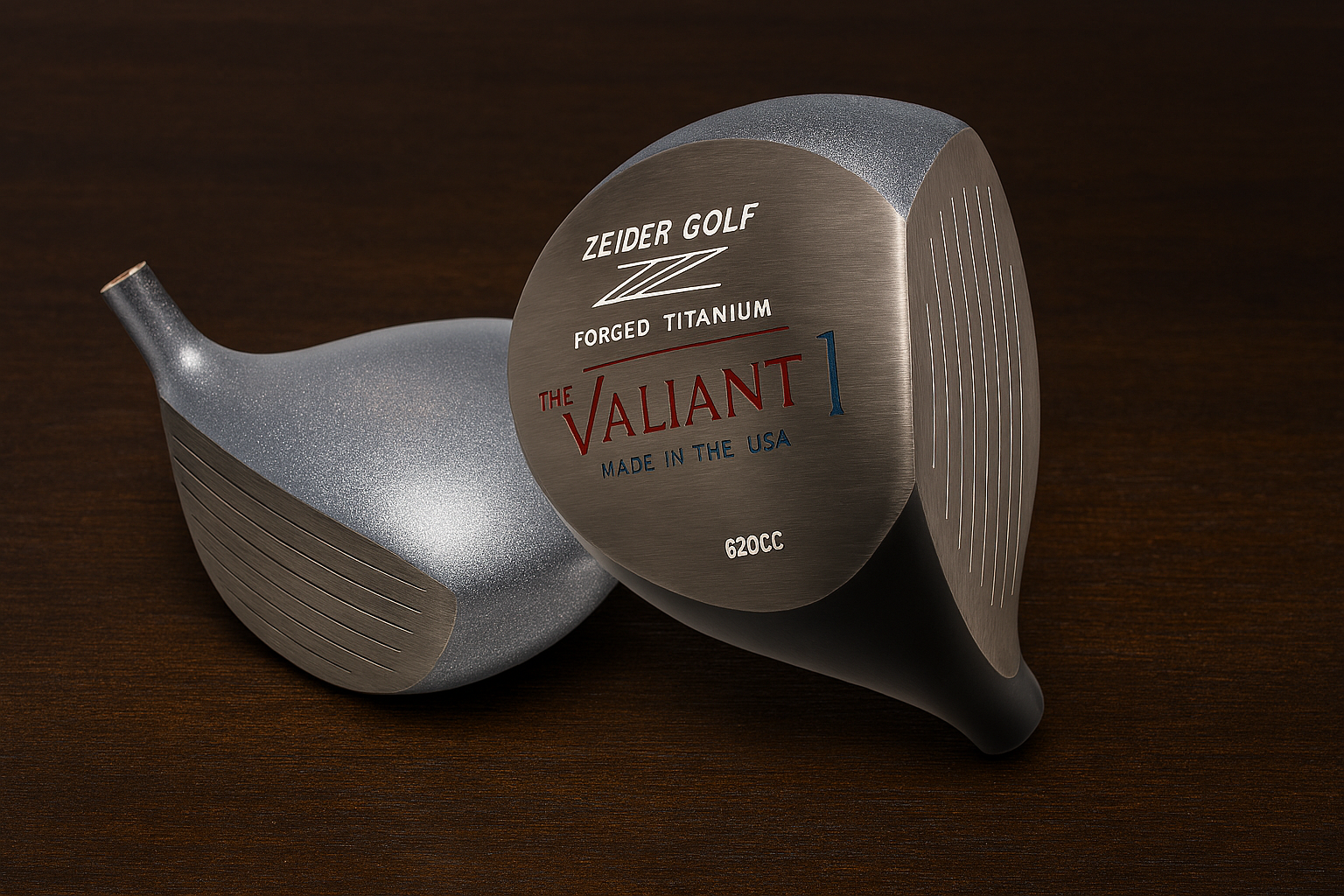
In response to changes in the golf industry, Bob pursued a bold idea—manufacturing an entire golf club head through stamping or forging. After setbacks with outside tooling vendors, the company invested heavily in CAD/CAM and in-house tooling.
They successfully produced their first clubhead, which performed well in independent and robotic testing. Despite this, major golf companies rejected the design. Rather than abandon the project, the company launched its own line: Zeider Golf.
They produced thousands of clubheads for independent clubmakers. In 1996, long-drive competitor Jason Zuback used a Zeider clubhead to win the World Championship—and repeated the win the following year. In 1997, four of the eight finalists used Zeider clubheads, marking a period of dominance in long-drive competition.
Expansion into Aerospace, Medical, and Advanced Manufacturing
Following its investment in CNC and EDM technologies, R.L. Zeider expanded into the aerospace, automotive, and medical industries. This diversification helped the company survive the impact of NAFTA and widespread offshoring in the 1990s.
While the company lost much of its original customer base, it successfully repositioned itself as a precision manufacturer capable of solving complex manufacturing challenges and supporting product development across industries.
A New Generation
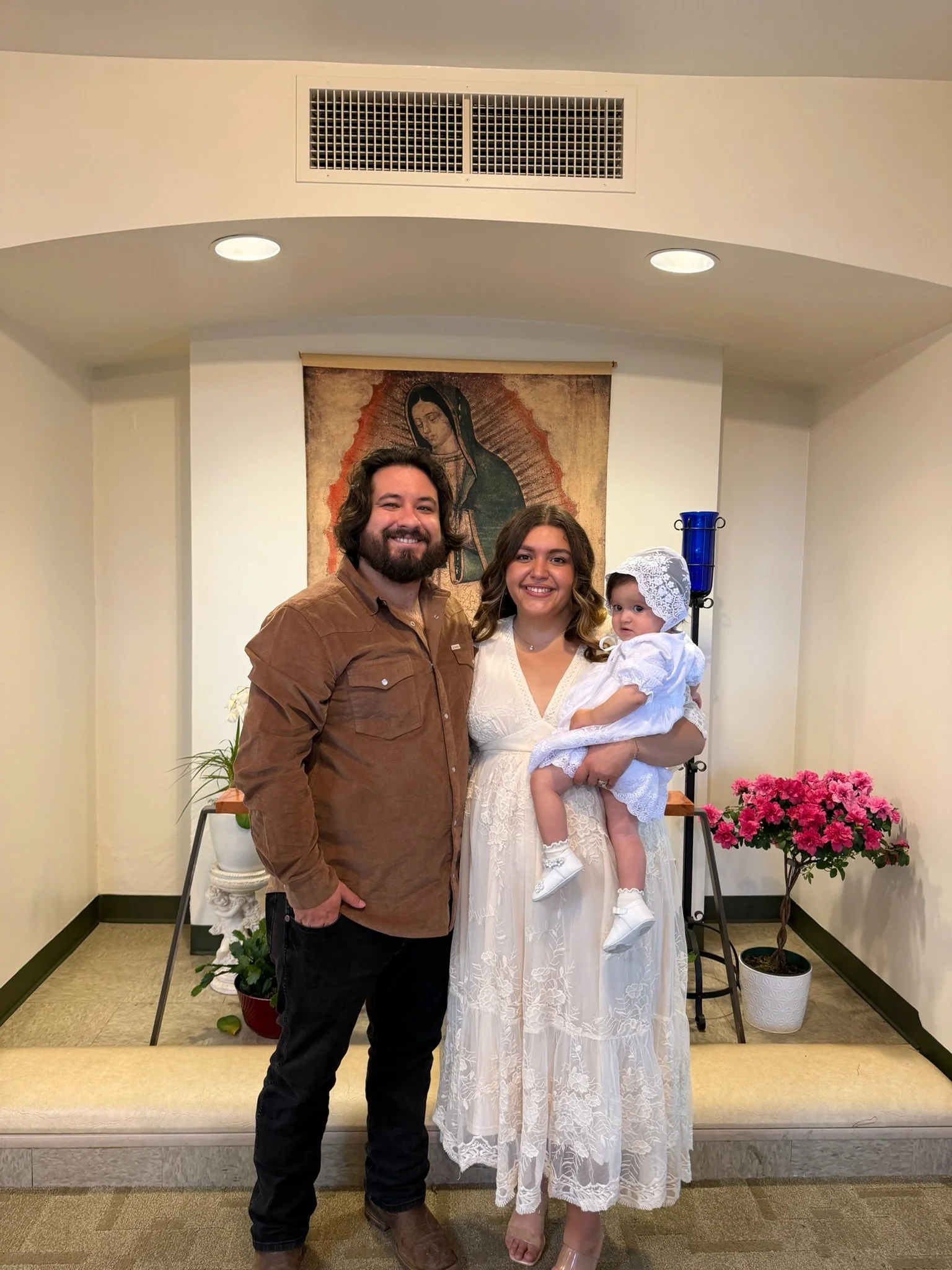
Today, R.L. Zeider is well into its third generation of family ownership and operation. The company has evolved from a small hand engraving shop into an advanced manufacturer specializing in precision parts that are difficult to replicate.
The business continues to focus on quality, craftsmanship, and strong customer relationships—built on decades of experience and honest communication.
Continued Growth & Return to Roots
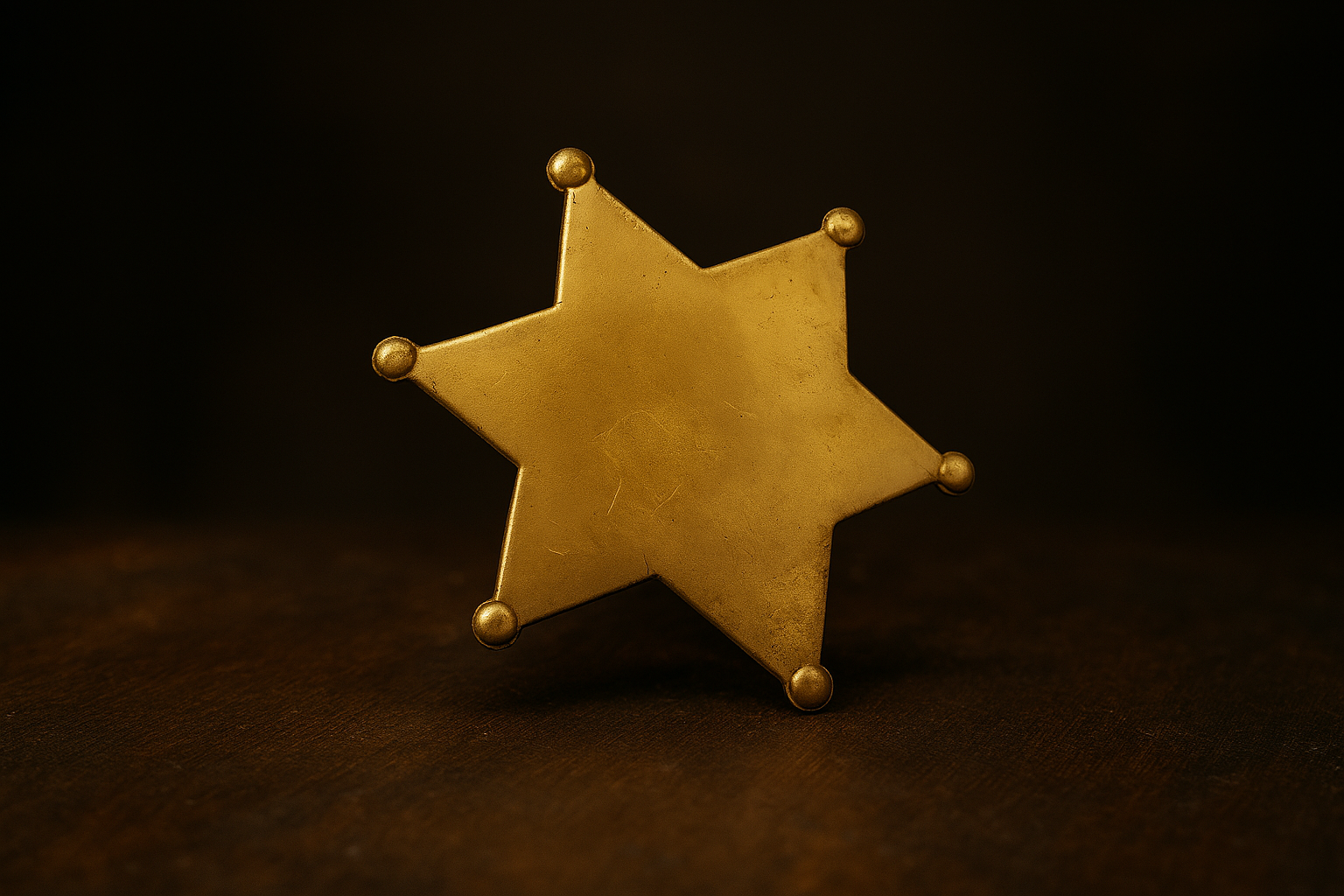
Over the past twenty-five years, R.L. Zeider has focused on helping other manufacturers develop products, improve quality, and operate more effectively. At the same time, the company is returning to its roots in western jewelry and badge manufacturing.
R.L. Zeider now designs, manufactures, finishes, and markets its own products using primarily domestically sourced materials. The company is actively working toward producing 100% American-made products and materials.
After more than six decades, R.L. Zeider continues to build on its legacy—combining traditional craftsmanship with modern manufacturing—and looks forward to the next chapter.

Follow us on social